
Oct 16, 2023
Top 5 Sustainable Practices in the Cement Industry
Top 5 Sustainable Practices in the Cement Industry
Cement is an integral part of our modern world, with skyscrapers, bridges, and countless other structures relying on this versatile material. However, the cement industry is known for its significant environmental impact, including carbon emissions, resource depletion, and habitat destruction. In recent years, a growing emphasis on sustainability has been pushing this heavy industry towards greener practices. Here are the top five sustainable practices that are revolutionizing the cement industry.
Alternative Raw Materials and Fuels
Traditionally, cement-making relies heavily on limestone, a primary raw material, and fossil fuels, mainly coal, to provide the necessary heat energy for clinker production. However, a sustainable shift is occurring in the industry through alternative raw materials and fuels.
One game-changing practice is using alternative raw materials like fly ash, slag, and natural pozzolans. These materials reduce the demand for limestone and make use of waste products, reducing their environmental footprint.
Moreover, alternative fuels such as biomass, waste plastics, and used tires have gained popularity in cement kilns. These alternative fuels divert waste from landfills and lower the carbon emissions associated with traditional fossil fuels.
Energy Efficiency and Waste Heat Recovery
Cement production is energy-intensive, and reducing energy consumption is a key aspect of sustainability. Many cement plants are adopting energy-efficient technologies, such as using more energy-efficient kilns, improving grinding processes, and optimizing heat recovery systems.
One notable innovation in this regard is using waste heat recovery systems. These systems capture the excess heat generated during the cement production process and convert it into electricity or for heating purposes, reducing energy wastage and operational costs.
Carbon Capture and Storage
One of the most exciting advancements in the cement industry's sustainability journey is carbon capture and storage (CCS) technology. This innovative process captures carbon dioxide emissions produced during clinker production and stores them underground, preventing their release into the atmosphere.
Carbon capture technology is still evolving, but it holds the potential to reduce the industry's carbon footprint dramatically. Some cement plants already implement CCS, paving the way for a cleaner, more sustainable future.
Eco-Friendly Clinker Substitutes
Clinker, a key component in cement, is responsible for a significant portion of the industry's carbon emissions. Manufacturers increasingly turn to eco-friendly clinker substitutes like geopolymers and calcium sulfoaluminate cement to address this issue.
Geopolymers, for instance, use industrial waste materials to create a cement-like product with lower energy consumption and reduced carbon emissions. Similarly, calcium sulfoaluminate cements offer an alternative to traditional Portland cement with less clinker content and reduced environmental impact.
Circular Economy Practices
The cement industry is embracing the principles of the circular economy, aiming to minimize waste and maximize resource efficiency. One of the key strategies within the circular economy is the recycling of concrete waste.
By reusing crushed concrete and other construction waste as aggregates in new cement production, the industry reduces the need for virgin raw materials. This not only conserves natural resources but also minimizes landfill waste.
Conclusion
The cement industry is undergoing a remarkable transformation towards sustainability. These innovative approaches reduce the environmental impact of cement production and contribute to a more sustainable and responsible industry. The shift towards sustainability in the cement sector is a positive development for the environment and businesses and consumers seeking greener construction materials.
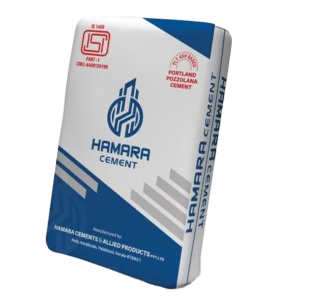
With a focus on responsible resource management, energy efficiency, and environmental protection, Hamara Cement is paving the way for a more sustainable and eco-friendly future in the cement industry. Join us in our commitment to a greener world – Choose Hamara Cement.
Oct 16, 2023
Top 5 Sustainable Practices in the Cement Industry
1 Comments
zdfcdsf
fdgfhgfh gfhgf
15,Dec,2023