
Oct 16, 2023
Top 5 Sustainable Practices in the Cement Industry
Maximizing Project Success: Tips for Proper Cement Storage and Handling
Are you embarking on a construction project? Whether you're a seasoned contractor or a DIY enthusiast, one thing remains constant: the success of your project hinges on the quality of the materials you use. Cement, often called the "glue" that holds construction together, is a fundamental ingredient in most building projects. But have you ever wondered how to ensure that your cement remains pristine from purchase to project completion? Here is how:
Storing Cement: Building the Foundation of Success
Imagine laying the foundation of your dream house, only to discover that the cement has become hard and lumpy, rendering it useless. To avoid such nightmares, it's essential to store cement properly. Here are some key storage tips:
The Dry and Enclosed Sanctuary
The first rule of storing cement is to keep it away from damp, moist environments. Cement is like a sponge regarding moisture – it sucks it up, swells, and becomes hard and lumpy. Not the ideal texture for creating sturdy structures. Instead, your cement bags deserve a dry, enclosed area well-protected from nature's relentless forces, particularly rain.
Shield Your Stacks
When stacking cement bags, ensure they are adequately covered with tarpaulin or waterproof sheets. This protective layer is a barrier, preventing moisture from infiltrating and wreaking havoc on your precious cargo.
Stay Off the Ground
Your cement bags shouldn't be friends with concrete or wooden floors. They deserve to be on a raised surface, one that's been thoughtfully protected with an impermeable plastic sheet. Elevating them ensures that even if water sneaks into your storage area, it won't sabotage your cement supply.
Loners, Not Team Players
Cement bags are like prima donnas; they don't like to share their space with other products, such as fertilizers. Mixing cement with other substances can contaminate it, compromising the quality and performance of your concrete. So, give your cement the solo spotlight it deserves.
Breathe Easy
Adequate ventilation is key to maintaining the quality of your cement. You can achieve this by placing the bags on pallets. This elevation allows air to circulate underneath, keeping your cement bags happy and dry.
FIFO (First In, First Out)
Cement is like fine wine – it doesn't improve with age. It's the opposite; the strength of cement deteriorates over time. Therefore, always use the product according to the manufacturer's date and practice the 'first in, first out' approach. Use the oldest stock before you even think about touching the fresher ones.
Use It or Seal It
If you find yourself with leftover cement from a previous project, don't just ignore it. Remember, you're not only saving money but also avoiding unnecessary waste. Use the leftover cement first when starting a new project. And if you're done with a project and have some cement bags that still have some life in them, ensure they're re-bagged in heavy-duty plastic bags. Thick, layered bin liners should do the trick here. Seal the bag mouths securely with string or duct tape, ensuring no holes. This way, your cement stays fresh and ready for action.
Handling Cement: The Care and Caution Approach
Proper cement storage is only part of the equation; how you handle your cement is equally crucial. Avoid costly mishaps by following these handling tips:
â— Gentle Placement: Your cement bags are delicate creatures that should never be dropped. Always place them carefully on a flat, raised surface. This gentle approach will ensure your bags remain intact and free from damage.
â— Roll Before You Lift: Give your bags a little roll before lifting them to make life easier for you and the cement. This process helps to loosen the cement inside, reducing the chances of the bag splitting during transport.
â— Support the Bag's Bottom: When you're ready to lift those bags, remember that support is key. Never carry cement bags at the ends. Instead, ensure the bag is fully supported underneath. This prevents the bag from sagging in the middle and, you guessed it, splitting open.
â— Keep It Flat: Like your favorite pancake, cement bags should always be flat with broadsides down. Storing them upright or on their side is a recipe for disaster, as it can lead to unwanted tears and mess.
Transporting Cement: Smooth Sailing to Your Construction Site
You've stored and handled your cement carefully; now it's time to transport it to your construction site. Here's how to ensure a safe journey:
Clear the Path
Before loading cement bags into your vehicle, remove all sharp objects from the car. These little troublemakers can puncture or damage the bags, causing unnecessary and messy problems during transportation.
Stacking Savvy
When you load the bags, ensure they are stacked in alternate directions. This arrangement helps distribute the weight evenly and prevents sagging or potential damage during transit.
Secure and Cover
Don't forget to secure your precious cargo properly to prevent movement during transportation. You wouldn't want your bags tumbling around and damaging themselves or your vehicle. Covering them with tarpaulin or waterproof sheets is an extra layer of protection against the elements and unexpected bumps in the road.
Conclusion
Maximizing project success begins with ensuring the quality and integrity of your cement. Proper cement storage, handling, and transportation are vital steps in this journey. By following these tips, you can avoid the common pitfalls that plague construction projects and ensure your cement is always ready to perform at its best.
At Hamara Cement, we believe in the power of quality construction materials. Trust us to provide you with the finest cement handled with care from production to your doorstep. Build your dreams on a solid foundation with Hamara Cement!
Oct 16, 2023
Top 5 Sustainable Practices in the Cement Industry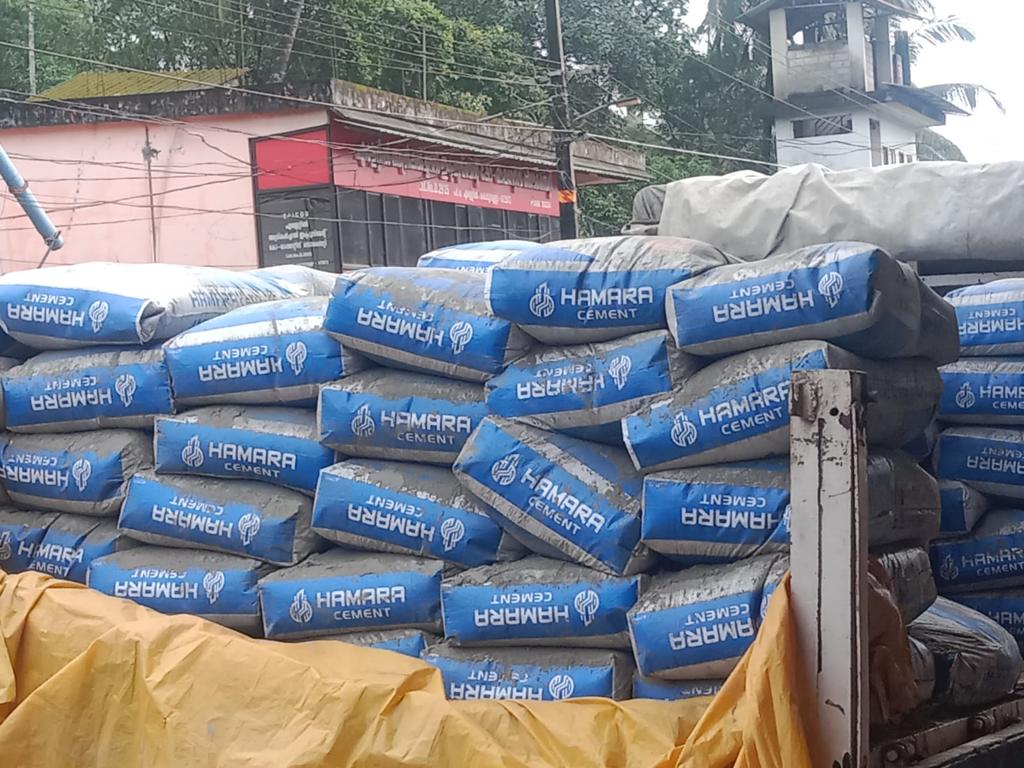

0 Comments