
Oct 16, 2023
Top 5 Sustainable Practices in the Cement Industry
5 Key Factors to Consider When Buying Commercial Cement
Choosing the right cement for your commercial construction project is not just about picking the most affordable option. High-quality cement can make a world of difference in the longevity and stability of your structure. Understanding and evaluating these elements will help you make informed decisions, leading to the optimal selection of commercial cement that meets your project's requirements, standards, and budget.
Cement Type
One of the first decisions you'll need to make is selecting the right type of cement for your project. Different projects require different types of cement. The primary types of cement used in construction are Portland cement, Portland Pozzolana cement, and Portland Slag cement. Each of these has distinct properties that make them suitable for specific applications. Ensure you understand the requirements of your project and choose the appropriate cement type to achieve the desired results.
Strength and Durability
The strength and durability of your commercial structure are non-negotiable. Commercial buildings endure heavy foot traffic, varying weather conditions, and many other challenges. To ensure longevity, select cement with a high compressive strength. The compressive strength of cement is a measure of its ability to withstand heavy loads and pressure. Always check the grade of the cement to ensure it meets the minimum strength requirements for your project. Higher grades of cement generally offer better strength and durability.
Setting Time
The setting time of cement is a crucial factor, especially in commercial construction, where time is money. Cement setting time refers to the period between mixing the cement with water and when it begins to harden and set. The setting time can vary depending on the type of cement and environmental conditions. Commercial projects often prefer quick-setting cement to expedite construction timelines and reduce labor costs. However, slower-setting cement may be more suitable in some cases, such as intricate designs or hot weather.
Environmental Impact
In today's environmentally conscious world, the environmental impact of construction materials is a significant concern. Many construction projects are now subject to green building standards and regulations. When choosing commercial cement, consider the environmental impact, such as carbon emissions and energy usage during production. Opt for cement products that meet or exceed these standards, helping reduce your project's carbon footprint and contribute to sustainability efforts.
Cost-Effectiveness
Cost is a crucial factor in any commercial construction project. While it's tempting to opt for the cheapest option, it's essential to remember that using subpar cement can lead to expensive repairs and maintenance down the line. High-quality cement may have a slightly higher upfront cost, but it pays off in the long run by reducing the need for repairs and ensuring your project's durability.
Conclusion
In commercial construction, selecting the right cement is a decision that shouldn't be taken lightly. By considering the factors mentioned above – strength, cement type, quality control, environmental impact, and setting/curing time – you can make a well-informed choice that will lead to the successful completion of your project.
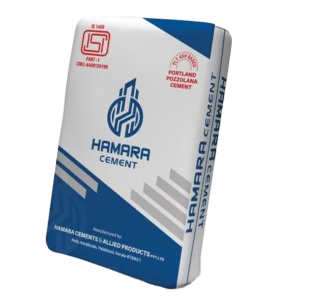
At Hamara Cement, we understand these factors' importance in the construction world. Our high-quality commercial cement is designed to meet the diverse needs of builders and developers. With a commitment to quality, sustainability, and reliability, Hamara Cement is your trusted partner in construction. Build with confidence, choose Hamara Cement.
Oct 16, 2023
Top 5 Sustainable Practices in the Cement Industry

0 Comments